
What Makes Sweet Home Roofing North Alabama’s Top Choice?
What Makes Sweet Home Roofing North Alabama’s Top Choice? Choosing the right roofing company in north Alabama is one of the most important decisions a homeowner in North Alabama can make. Your roof protects your home, your family, and your investment—but not all roofing companies deliver the same quality and care. That’s why Sweet Home Roofing stands out as the trusted choice for homeowners in Huntsville, Decatur, Madison, Athens, Cullman, Vinemont, Hartselle, Albertville, and Florence. At Sweet Home Roofing, locally owned and operated by Brad Fuller and Austen Wallace, we bring unmatched expertise, care, and reliability to every roofing project we touch. Wondering what makes us North Alabama’s top choice? Read on to learn why homeowners choose us time and time again. Trusted Roofing Experts in North Alabama What Sets Brad Fuller and Austen Wallace Apart? Sweet Home Roofing was founded by Brad Fuller and Austen Wallace, two experienced professionals with a shared passion for high-quality roofing and outstanding customer service. With years of experience under their belts, they’ve made it their mission to protect North Alabama homes with reliable, top-tier roofing solutions. Brad and Austen believe in treating every customer like family—it’s a value rooted in their local North Alabama roots. They’re proud to offer honest, transparent advice, so you get roofing services you can trust. Whether you need a minor repair or a full roof replacement, their team provides expert help every step of the way. What Makes Sweet Home Roofing Stand Out? Why Is Sweet Home Roofing Known for Fast, Professional Service? When your roof needs attention, time is of the essence. A leaking or damaged roof can quickly lead to costly repairs if left unaddressed. At Sweet Home Roofing, we pride ourselves on delivering fast, efficient service without cutting corners. Our streamlined process ensures small roof repairs are fixed promptly, and full roof replacements are completed on schedule. How Do We Earn Trust in the North Alabama Community? Being a locally owned business means we aren’t just roofing experts; we’re also your neighbors. Homeowners across North Alabama trust us because we: Understand local needs: From storm damage in Huntsville to preventative care in Cullman, we recognize the unique challenges that come with roofing in our area. Value relationships: We focus on building long-term relationships. Satisfied customers return to us again and again for our reliability, honesty, and dependable results. Why Are Licensing and Insurance Non-Negotiable? Peace of mind is key when hiring a roofing company. Sweet Home Roofing is fully licensed and insured, giving you the confidence that your home is in professional hands. If there’s an issue, we’ve got it covered—literally and figuratively! Do We Really Use High-Quality Materials? Yes! Your home deserves a roof that stands the test of time, and that’s why we only use premium-grade roofing materials. Combined with our expert craftsmanship, this guarantees durability and a polished finish every time. Call (256) 445-9595 today to discuss your roofing project with our trusted team. Where Does Sweet Home Roofing Serve? What Areas Do We Cover in North Alabama? We proudly serve homeowners across North Alabama. Whether you’re in… Huntsville or Decatur, where quality roofs protect against urban wear and tear Madison or Athens, thriving communities with unique roofing needs Cullman, Vinemont, or Hartselle, where we shield homes from storm seasons Albertville or Florence, with families who trust us for long-lasting roofs Wherever you’re located, Sweet Home Roofing has your roofing needs covered. Get your free estimate today by calling (256) 445-9595 Why Homeowners Keep Coming Back Are Real Reviews a Testament to Our Excellence? Yes! North Alabama homeowners consistently choose Sweet Home Roofing because of our proven results. Here’s what some of them have said: Brad and Austen made replacing our roof stress-free. Their team worked quickly and cleaned up perfectly!” – Sarah R., Huntsville Our roof leak was spreading, but Sweet Home Roofing fixed it same-day. Thanks to the whole crew!” – John T., Decatur What Ensures Long-Term Reliability? From the beginning, we’ve focused on delivering warranty-backed work. This ensures that every project we complete is built to last, giving you peace of mind for years to come. Whether it’s routine maintenance or emergency repairs, we’re always here when you need us. Don’t wait to protect your home. Call (256) 445-9595 or now for your free quote. Frequently Asked Questions (FAQ) How long does a roof replacement take? A typical roof replacement takes just a few days, depending on the size and complexity of the roof. We’ll provide a detailed project timeline during your consultation. Is Sweet Home Roofing licensed and insured? Yes, we are fully licensed and insured to protect your home and give you peace of mind. Do you offer free estimates or inspections? Absolutely. Sweet Home Roofing offers free, no-obligation estimates and inspections to ensure you make an informed decision. Call us at (256) 445-9595 today to schedule yours. How do I know if I need a new roof or just repairs? Common signs you may need repairs or replacement include leaks, missing shingles, or significant storm damage. Our expert team will assess your roof and guide you toward the best solution. Why Choose Sweet Home Roofing? When it comes to safeguarding your home, Sweet Home Roofing stands unmatched in North Alabama. From our passionate, expert-driven team to our premium materials and trusted reputation, we’re proud to be your roofing partner. Don’t settle for less—choose the company with a proven track record of excellence. Call (256) 445-9595 today for your free inspection or quote. Let Sweet Home Roofing protect your home with expertise you can trust! Related Blogs What Makes Sweet Home Roofing North Alabama’s Top Choice? The Cheapest Ways to Get a New Roof in Cullman, AL Flat Roof Replacement Costs in 2025: Get the Best Value for Your Money What Is Roof Sheathing and Why Does It Matter for Your Home?
The Cheapest Ways to Get a New Roof in Cullman, AL
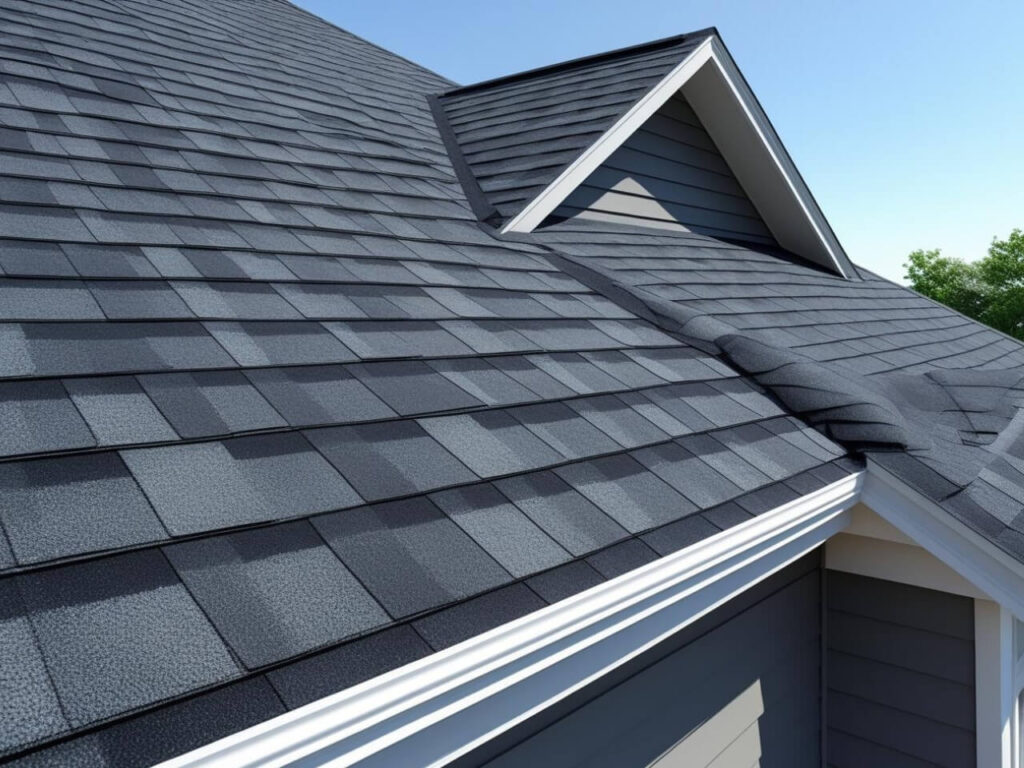
The Cheapest Ways to Get a New Roof in Cullman, AL A roof is one of the most critical parts of your home, but replacing it can be an expensive endeavor. For homeowners in Cullman, AL, the need for durable yet cost-effective roofing solutions is essential. If you’re wondering how to restore your roof without breaking the bank, this guide is for you. Here, we’ll explore affordable roofing materials, money-saving tips, and the advantages of choosing local contractors for your project. Affordable Roofing Materials for Cullman Homes Selecting the right material for your roof is key to keeping costs low while ensuring durability. Here are some of the most budget-friendly roofing options available: 1. Asphalt Shingles Asphalt shingles are the most commonly used roofing material in the United States due to their low price and versatility. They are lightweight, easy to install, and available in a wide range of colors and styles. Cost: $1 to $4 per square foot Pros: Affordable upfront cost Quick installation Proven durability (15–30 years lifespan) 2. Metal Roofing Metal roofing has become a popular budget-conscious option, especially for homeowners in areas prone to harsh weather like North Alabama. Modern metal roofs are affordable, long-lasting, and energy-efficient. Cost: $3 to $7 per square foot Pros: Reflects heat, reducing cooling costs Lifespan of 40+ years Minimal maintenance requirements 3. Synthetic Roofing Materials Synthetic materials, like rubber shingles or plastic polymers, are budget-friendly and mimic the appearance of more expensive options like slate or wood. Cost: $4 to $6 per square foot Pros: Lightweight yet durable Resistant to extreme weather Lower long-term maintenance costs 4. Corrugated Roofing Sheets Corrugated sheets, made from galvanized steel or fiberglass, offer a no-frills solution for budget roofing. While better suited for garages or outbuildings, it’s an option for cost-focused homeowners. Cost: $1 to $5 per square foot Pros: Extremely cost-efficient Weather-resistant coatings available Easy installation, reducing labor costs Money-Saving Tips for Roof Replacement in Cullman, AL Even if you’re working with a limited budget, these tips can help you save without sacrificing quality. 1. Get Multiple Estimates Obtaining quotes from several roofing contractors in Cullman gives you a better idea of market rates and helps you identify the best value for your money. Compare not just prices but warranties, experience, and materials offered. 2. Choose Roofing Off-Season Roofing work is typically seasonal, with demand and prices peaking during spring and summer. Scheduling a replacement in fall or early winter may provide significant cost savings. 3. Consider Overlay Roofing If your existing roof is still in decent structural condition, overlay roofing—installing new roofing material directly over the old—can eliminate the need for full removal and disposal. This approach saves on labor and disposal fees. 4. Explore Financing Options Many roofing contractors in Cullman, including local businesses, offer financing plans to spread the cost of a new roof over manageable monthly payments. Be sure to ask about interest rates and terms. 5. DIY Prep Work While full roof installation should always be handled by trained professionals, there are simple tasks homeowners can do to reduce costs. For example, clearing debris or trimming overhanging branches can prepare your home for installation and cut prep labor costs. 6. Take Advantage of Promotions and Discounts Look for deals, seasonal sales, or discounts offered by local contractors in Cullman. Many companies offer lower rates during their slower months or for large projects. The Benefits of Hiring Local Roofing Contractors in Cullman, AL Why choose a local contractor over a big-name national company? Here are the key advantages: 1. Knowledge of Local Conditions Contractors based in Cullman understand the region’s weather patterns and can recommend the most effective materials for storms, high heat, or heavy rainfall. 2. Faster Response Times Local businesses often provide quicker turnaround times, especially for emergency repairs or replacements. 3. Personalized Service A trusted local business is more likely to provide hands-on, personalized service. Building long-term relationships with customers is often a top priority. 4. Support for the Local Economy By hiring a Cullman-based contractor, you contribute to the growth of your community by supporting small businesses and creating local jobs. Final Thoughts – Choose Affordable and Reliable Roofing with Sweet Home Roofing If you’re ready to upgrade your roof without overspending, Sweet Home Roofing is here to help. Based in Cullman and proudly serving North Alabama, we specialize in budget-friendly roofing solutions tailored to your needs. Owner Brad and his experienced team are committed to delivering quality service at competitive prices—proving you don’t have to sacrifice quality for affordability. Call Sweet Home Roofing today at (256) 445-9595 to schedule a free quote or learn more about our cost-effective roofing options. Don’t wait—your durable and affordable new roof is just a call away! Related Blogs The Cheapest Ways to Get a New Roof in Cullman, AL Flat Roof Replacement Costs in 2025: Get the Best Value for Your Money What Is Roof Sheathing and Why Does It Matter for Your Home? Minimum Slope for Metal Roofs: A Guide to Building Code Compliance
Flat Roof Replacement Costs in 2025: Get the Best Value for Your Money
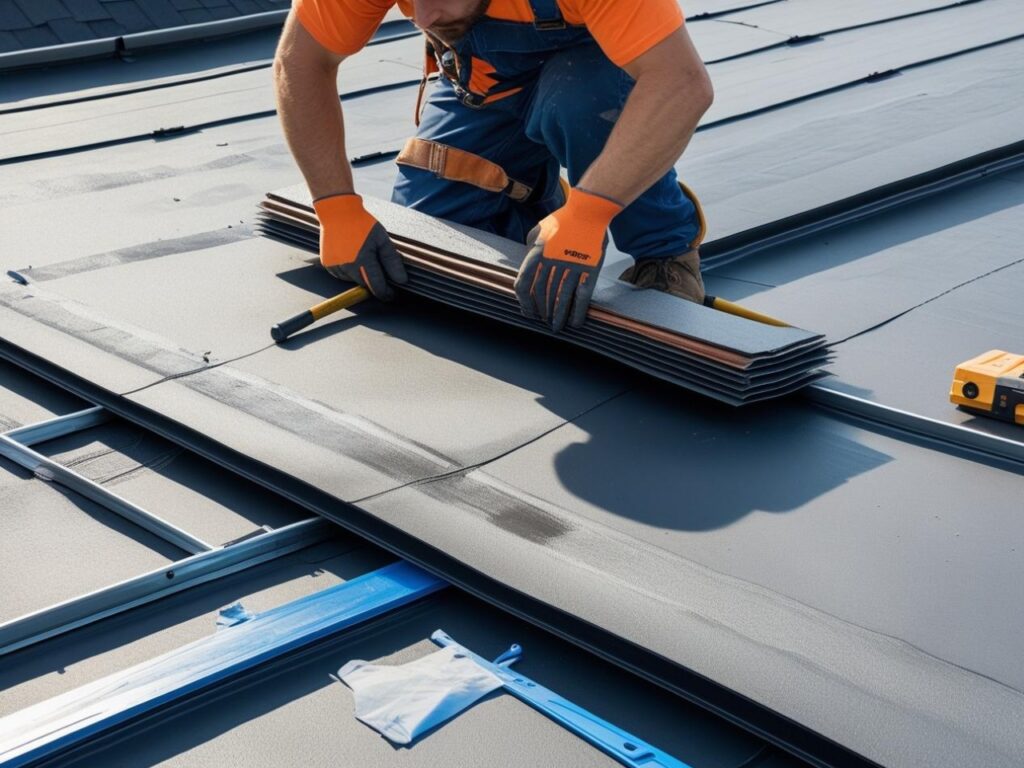
Flat Roof Replacement Costs in 2025: Get the Best Value for Your Money When planning for a flat roof replacement, understanding the associated costs is critical. Whether you’re comparing flat roof prices, exploring the flat roof repair cost versus replacement, or calculating a flat roof replacement estimate, staying informed can save you money and ensure you make the right decisions. This comprehensive guide will walk you through the price for flat roof replacement in 2025, helping you plan better and get the most for your investment. Factors Impacting the Price for Flat Roof Replacement The cost of replacing a flat roof can vary widely depending on several factors. Here’s what influences flat roof prices: 1. Type of Roofing Material Membrane Roofs: Popular options include EPDM, TPO, and PVC, with membrane roof costs typically ranging from $5 to $11 per square foot. Built-Up Roofs (BUR): These may cost $4 to $10 per square foot, favored for durability but requiring more labor. Modified Bitumen: Prices average $4 to $7 per square foot, offering affordability and versatility. 2. Roof Size The flat roof price per square foot decreases for larger installations due to economies of scale. For example: Smaller Roofs (1,000 sq. ft.): Costs run higher on a per-square-foot basis due to setup and labor. Larger Roofs (5,000+ sq. ft.): Per unit costs drop, making them more economical long-term. 3. Existing Roof Condition A simple tear-off and replacement will cost less than extensive repairs or structural reinforcements. Adding roof insulation or addressing structural issues can add 15%-25% to the flat roof replacement estimate. 4. Location and Regional Costs Prices differ significantly by region due to labor costs, material availability, and local regulations. Urban areas may incur higher flat roof repair prices compared to rural areas. 5. Additional Features Customizations such as skylights, drainage systems, or solar panels can significantly increase new flat roof prices. Average Cost Breakdown for Flat Roof Replacement in 2025 While the exact price for flat roof replacement can depend on the factors above, here are some benchmarks for 2025: Material Cost Per Square Foot Installed Cost (1,000 sq. ft.) EPDM $5–$9 $5,000–$9,000 TPO $6–$10 $6,000–$10,000 PVC $7–$11 $7,000–$11,000 Built-Up Roof (BUR) $4–$10 $4,000–$10,000 Modified Bitumen $4–$7 $4,000–$7,000 These figures exclude unforeseen circumstances like permit fees, structural repairs, or disposal costs. Ensure that your flat roof replacement estimate includes these details upfront. Tips for Reducing Your Flat Roof Replacement Costs Replacing a flat roof is a significant investment, but you can employ these strategies to minimize costs: Request Multiple Quotes: Compare estimates from at least 3 contractors to ensure competitive flat roof prices. Plan Maintenance: Regular maintenance can delay the need for a new flat roof, saving you thousands over time. Opt for Offsite Disposal: Many contractors offer discounts if you manage debris disposal separately. Choose the Right Material: Ensure the material fits your budget and long-term needs. For example, EPDM roofs are cost-effective yet durable for commercial and residential needs. FAQ About Flat Roof Replacement Costs 1. How do I calculate the flat roof price per square foot? Take the total replacement estimate, including labor and materials, and divide it by the roof area in square feet. Ensure all costs like disposal and permits are included. 2. Are flat roof repair prices lower than replacement costs? Yes, flat roof repair costs are generally 20%-50% less than replacement depending on the scope. However, extensive damage may justify a full replacement for lasting value. 3. How long does a typical flat roof last? Depending on the material, a flat roof can last: EPDM/TPO/PVC: 15-30 years Modified Bitumen/BUR: 10-20 years Proper maintenance can extend these lifespans. 4. What’s the membrane roof cost compared to traditional options? Membrane roof systems (e.g., TPO, PVC) are slightly costlier than BUR but offer superior energy efficiency and durability, saving money long-term. 5. Is DIY flat roof replacement recommended? Replacing a flat roof requires professional expertise to ensure proper waterproofing and adherence to local codes. Hiring a professional guarantees the safety and longevity of your roof. The Sweet Home Roofing Advantage When it’s time to replace your flat roof, trust the experts at Sweet Home Roofing. Led by Brad Fuller, Sweet Home Roofing specializes in delivering high-quality, cost-effective solutions tailored to every homeowner’s needs. Call us at (256) 445-9595 today to schedule your consultation and get a detailed estimate on your next roofing project. Related Blogs Flat Roof Replacement Costs in 2025: Get the Best Value for Your Money What Is Roof Sheathing and Why Does It Matter for Your Home? Minimum Slope for Metal Roofs: A Guide to Building Code Compliance Hiring a Roofing Contractor in Birmingham? Don’t Miss These 7 Essential Questions
What Is Roof Sheathing and Why Does It Matter for Your Home?
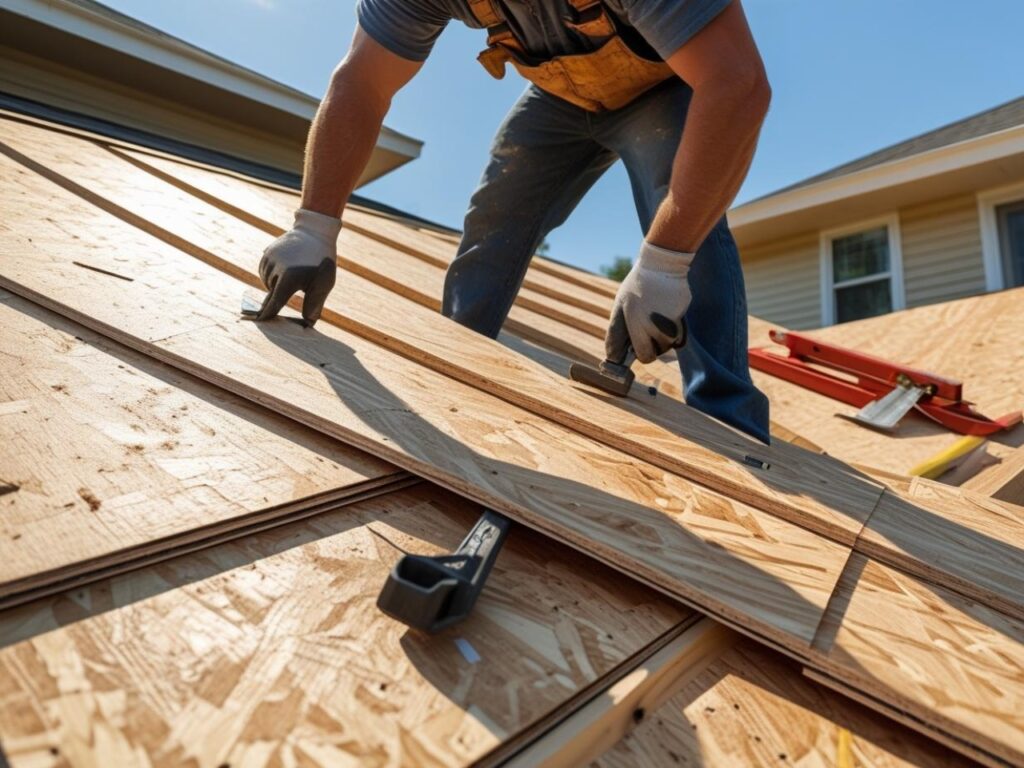
What Is Roof Sheathing and Why Does It Matter for Your Home? Take a moment to imagine your roof without its sturdy, protective layers—what would remain is an exposed structure susceptible to leaks, weather damage, and a laundry list of complications. One essential but often overlooked component of your roofing system is roof sheathing. It forms a critical foundation for the entire roof system—yet, many homeowners are unaware of its existence or significance. This guide dives deep into answering the question, What is Roof Sheathing? and explores why it is indispensable for your home. Along the way, we’ll uncover its types, purposes, and how to identify issues, ensuring your home stays safe and sound. What Is Roof Sheathing? Roof sheathing, also called decking, refers to large panels, typically made of wood or similar materials, installed over your roof trusses or rafters. These panels create a solid surface upon which other roofing materials, such as shingles or tiles, are affixed. Although it may be hidden beneath visible roofing elements, sheathing serves as the literal backbone of your roof. Homeowners might compare it to the frame of a house—it takes on both structural and functional responsibilities. Without sheathing, your roof materials wouldn’t stay securely in place, and your home would be exposed to all kinds of weather-related risks. Materials Commonly Used for Roof Sheathing Oriented Strand Board (OSB): OSB is cost-effective and highly durable, making it the most popular choice for roof sheathing today. It’s essentially compressed wood strands mixed with adhesive, which can withstand various environmental conditions. Plywood: While slightly more expensive, plywood offers excellent strength. Constructed from thin layers of wood glued together, it’s a reliable and time-tested option for sheathing. Step Sheathing (Planks): Found in older homes, step sheathing consists of wooden planks laid horizontally across the rafters. Although strong, modern alternatives like OSB have largely replaced plank sheathing for efficiency and cost reasons. Composite Materials: These are emerging as new alternatives composed of recycled materials. While not as common, they offer improved resistance to moisture and environmental wear. By carefully selecting the material based on your climate, budget, and roof structure, contractors help ensure long-term reliability. Why Is Roof Sheathing Important? Roof sheathing is integral to your roofing system’s strength, efficiency, and performance. Here’s why it matters for your home: 1. Provides Structural Support Sheathing plays a load-bearing role, distributing the weight of your roof materials evenly across the trusses or rafters. Without it, the roof wouldn’t only risk collapse but could also buckle under its own weight during extreme weather conditions such as high winds or heavy snowfall. 2. Weather Resistance and Protection Your roof sheathing acts as the second layer of defense against rain, snow, and wind. It sits beneath your roofing materials, offering added protection against water infiltration. Modern sheathing materials often have a water-resistant coating to further bolster this defense. 3. Creates a Solid Base for Roofing Materials Roof shingles and other coverings need a smooth surface for proper roof installation. Sheathing ensures those materials stay correctly fastened and maintain their integrity for years to come. 4. Thermal Insulation Roof sheathing can also help manage your home’s temperature. An additional layer of insulation is commonly added during installation, enhancing energy efficiency and reducing heating and cooling costs. 5. Safety and Longevity By maintaining structural stability and durable weather protection, sheathing prevents premature roof wear or failures, keeping your home safe while extending the life of your roof. Each of these functions reinforces why roof sheathing is an irreplaceable part of any solid, long-lasting roof. Types of Roof Sheathing Depending on the architectural structure and local climate, builders may recommend specific types of sheathing to ensure durability and cost-efficiency. Below are the primary types: 1. Sheet Sheathing (OSB and Plywood) Sheet sheathing is widely regarded as the standard choice in modern roofing due to its affordability, efficiency, and strength. It comes in large panels, making installation quick while providing seamless coverage. 2. Step Sheathing This older method of using spaced boards was common before the advent of modern panels. While it’s less common now, historical homes might still boast step sheathing—though in most cases, it’s supplemented with additional layers during renovations. 3. Radiant Barrier Sheathing This advanced material reflects heat away from the home, reducing attic temperatures and improving energy efficiency. It’s a great option for homes in warmer climates. Each option offers unique benefits, so consulting with a professional roofing contractor like sweet home roofing is essential when selecting the best sheathing for your needs. How to Identify Roof Sheathing Issues Despite its durability, roof sheathing can degrade over time, especially when subjected to water damage or improper installation. Look out for these signs to detect potential problems: 1. Leaks or Water Damage Water stains or damp ceilings may indicate weakened sheathing caused by water infiltration. This often requires immediate attention to prevent further roof damage. 2. Sagging Roof A sagging appearance is one of the clearest indicators that your roof’s structural integrity (and likely the sheathing) has been compromised. It’s often caused by excess moisture or long-term wear. 3. Peeling Shingles Shingles curling or peeling away often result from an underlying issue with the sheathing or fasteners. Regular inspections can catch this early. 4. Mold or Mildew Growth The presence of mold—both inside and outside your home—could be a sign that your sheathing retains excess moisture, which eventually spreads. 5. Soft Spots on the Roof When walking on a roof and noticing soft areas, it’s a clear signal of sheathing that has deteriorated or rotted over time. Regular roof inspections, especially after extreme weather events, can help identify and address these problems before they escalate. FAQs About Roof Sheathing Q1: Can roof sheathing be replaced without a new roof? Yes, it’s possible to replace damaged sheathing selectively without installing a completely new roof. However, this requires careful installation to ensure weatherproofing and structural reliability. Q2: How much does roof sheathing cost? Costs vary based on material type and property size. On average,
Minimum Slope for Metal Roofs: A Guide to Building Code Compliance
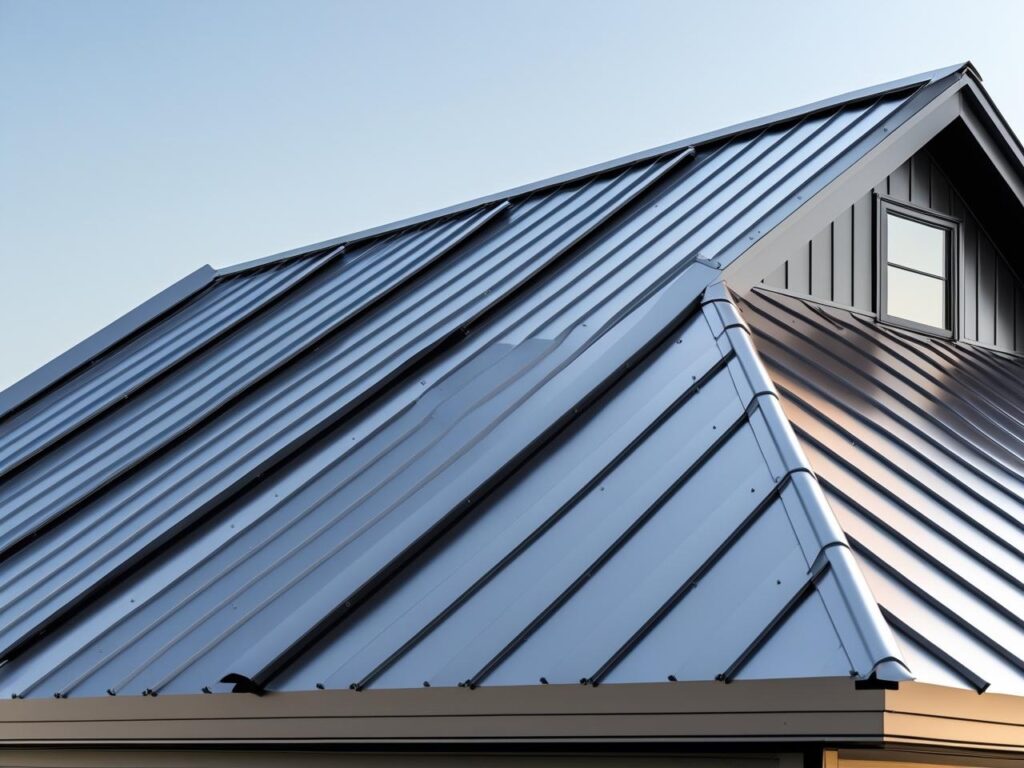
Minimum Slope for Metal Roofs: A Guide to Building Code Compliance Designing a metal roof involves careful planning and attention to detail, especially when determining the minimum slope for metal roof systems. This seemingly small consideration plays an essential role in ensuring proper water drainage, preventing structural issues, and adhering to building code requirements. A roof’s slope not only impacts its performance and lifespan but also influences its ability to withstand environmental pressures. For homeowners, contractors, and architects, understanding minimum slope standards for metal roofs is critical. This guide from Sweet Home Roofing dives deep into roof slope definitions, their importance, code compliance guidelines, and practical tips to help you make informed decisions for your roofing project. What Is Roof Slope? Roof slope—or pitch—refers to the steepness of a roof. It’s measured as a ratio that compares the roof’s vertical rise to its horizontal span, commonly expressed over a 12-inch horizontal distance. For example, a roof with a 4/12 slope rises 4 inches vertically for every 12 inches it spans horizontally. Common Types of Roof Slopes Low-Slope Roofs (0.25/12 to 3/12): These appear almost flat but have just enough slope to allow water drainage. Medium-Slope Roofs (4/12 to 9/12): Found in most residential properties, these provide a balance between functionality and visual appeal. Steep-Slope Roofs (10/12 or more): Highly pitched roofs designed for rapid water runoff, often seen in areas with heavy rainfall or snow. For metal roofs, achieving the ideal slope ensures not only physical durability but also compliance with legal and safety standards. Why Is Minimum Slope Important for Metal Roofs? The slope of a roof is far more than a design feature—it directly affects its functionality, durability, and legal compliance. Below are key reasons why the minimum slope is crucial for metal roofing systems: 1. Ensures Proper Water Drainage A roof that fails to meet minimum slope standards may accumulate water. Standing water accelerates the corrosion of metal panels and increases the risk of leaks, which can weaken the structure over time. 2. Reduces Structural Strain Flat or low-sloped roofs are more prone to stress caused by rain, snow, or debris. The correct slope minimizes excessive load on the roof, protecting the building’s framework. 3. Maintains Compliance with Codes Building codes, such as the International Building Code (IBC), set minimum slope guidelines for different roofing materials to ensure safety. Non-compliance can result in costly fines, denied permits, or mandated modifications. 4. Enhances Longevity Metal roofs installed with appropriate slopes are less likely to retain water or debris, reducing the frequency of repairs and maintenance. Building Code Requirements for Metal Roof Slopes Understanding and adhering to building code requirements is essential when designing or installing a metal roof. The necessary slope often depends on the roofing system and panel type. General Minimum Slope Guidelines Standing Seam Metal Roofs: Minimum slope with factory-applied sealant: 1/4 inch per foot (1/4:12) Without sealant or underlayment: 3/12 slope minimum Structural Metal Panels: These systems can handle slopes as low as 1/2 inch per foot (1/2:12) due to their water-tight design, typically applied in commercial or industrial projects. Corrugated Metal Roofing: Requires a steeper slope of 3/12 or greater because corrugation patterns are less effective at sealing out water on low slopes. Local Adjustments to Building Codes While the IBC provides broad guidelines, local governments may impose stricter regulations based on regional weather conditions. For example, areas prone to snowfall may require steeper slopes to reduce the risk of snow accumulation causing structural damage. Consult Manufacturer Guidelines Beyond legal codes, each roofing material comes with manufacturer recommendations regarding minimum slopes. These guidelines ensure that the product performs optimally under anticipated conditions. Risks of Ignoring Minimum Slope Standards Installing a metal roof without adhering to minimum slope requirements invites several problems, including: Water Pooling and Leaks: Insufficient slope leads to poor drainage, increasing the likelihood of leaks and water damage. Accelerated Metal Corrosion: Water retention combined with weather exposure can degrade metal panels over time. Code Violations: Buildings not compliant with slope regulations may face fines, project delays, or demolition orders. Decreased Roof Lifespan: Incorrect slopes place unnecessary stress on the roof, making it less durable and faster to deteriorate. How to Ensure Slope Compliance for Metal Roofs Achieving the correct slope isn’t a challenging process, but it requires attention to detail and adherence to guidelines. Follow these tips to ensure your roofing project meets compliance and safety standards: 1. Hire Experienced Professionals Working with certified and knowledgeable roofing contractors, like the team at Sweet Home Roofing, simplifies the process. Professionals understand the local regulations and how to implement them correctly. 2. Review Roofing Product Specifications Ensure that all products used in the project meet their specific slope requirements. This is particularly critical with factory-sealed systems or underlayment applications. 3. Conduct Project Inspections Before and after installation, inspect the roof’s plans and angle measurements to confirm that the slope meets minimum standards. Never skip this essential step. 4. Plan for Regional Weather If you’re located in an area with high precipitation or snow, consider exceeding the minimum slope requirements to account for additional runoff demands. 5. Use Quality Accessories Adding waterproof underlayment, high-grade sealants, and drainage systems can offer added protection for low-slope roofs. How to Choose the Right Slope for Your Metal Roof Picking the best slope goes beyond meeting the minimum standard—it’s about tailoring the roof to your specific needs and property characteristics. Here are three factors to consider: Aesthetic Considerations The slope of your roof significantly affects the building’s appearance. Low slopes offer a clean, modern look, while steeper slopes provide a more traditional feel. Cost Implications Steeper slopes require more materials, labor, and safety precautions, making them more expensive to construct. Choose a slope that balances style with budgetary constraints. Environmental Suitability Regions with frequent rainfall, snow, or wind will typically fare better with steeper slopes. These minimize stress on the structure and ensure effective runoff. Partner With Sweet Home Roofing for Your Roofing Needs At Sweet Home Roofing,
Hiring a Roofing Contractor in Birmingham? Don’t Miss These 7 Essential Questions
Hiring a Roofing Contractor in Birmingham? Don’t Miss These 7 Essential Questions You’re sitting at home during a rainy Birmingham afternoon when you spot a telltale water stain creeping across your ceiling. Or perhaps you’ve noticed a few missing shingles after the last storm swept through your neighborhood. Either way, it’s clear that your roof needs professional attention. But how do you choose the right roofing contractor in Birmingham for the job? Roofing requires precision, safety, legal compliance, and a deep understanding of the local environment. Unfortunately, not all contractors tick these boxes. Choosing the wrong one could lead to shoddy workmanship, financial headaches, or even safety risks. We’re proud to have been a trusted name in Birmingham for years, helping homeowners address unique roofing challenges. With this guide, we aim to empower you to make an informed decision by asking the right questions before hiring a roofing contractor. These seven essential questions will ensure you receive top-quality work, clear communication, and peace of mind. 1. Are You Licensed and Insured? Before considering a contractor, verify that they’re properly licensed and insured. Why it Matters Licensing ensures the contractor meets professional standards established by the governing authorities. It’s your assurance that they’re qualified to perform the work. Likewise, comprehensive insurance protects you as the homeowner. If an accident occurs or damage is caused during the project, you won’t be left footing the bill. What to Look For Licenses specific to Birmingham or Alabama state requirements. Insurance Coverage for both general liability and workers’ compensation. Hiring an unlicensed contractor leaves you vulnerable to legal and financial risks. For example, if a worker gets injured on your property and the contractor lacks insurance, you could be held liable. Sweet Home Roofing Difference We carry full licensing and comprehensive insurance coverage so our clients can feel confident and protected throughout every project. 2. What is Your Experience with My Roof Type? Not all roofing contractors are equally skilled in all materials. Different roof types, such as asphalt, metal, and tiles, have unique characteristics and installation requirements. Why it Matters A contractor unfamiliar with your roof type could make costly mistakes, leading to premature wear or even structural damage. What to Ask Do you specialise in your specific material roofs?” “Can you share examples of similar projects? Look for contractors who can confidently discuss your roof’s needs and provide examples of similar work in their portfolio. Sweet Home Roofing Expertise From Birmingham bungalows with asphalt shingles to historic homes with clay tiles, we’ve done it all. Our portfolio showcases a wide range of successful projects, each tailored to our clients’ unique needs. 3. Can You Provide References and Examples of Past Work? A trustworthy contractor will have a trail of satisfied customers who are happy to vouch for them. Why it Matters References and project examples give you insight into a contractor’s reliability, quality standards, and professionalism. What to Ask Can I see recent client reviews or testimonials? Do you have before-and-after photos or videos of completed projects? Check reviews online and, if possible, request references from Birmingham-based homeowners to ensure relatability. Sweet Home Roofing’s Track Record Our glowing testimonials from Birmingham clients speak for themselves. We’re happy to connect you with past customers or showcase our work through detailed project galleries. 4. How Do You Handle Hidden Issues or Change Orders? Roofing projects don’t always go as planned. Unexpected issues such as hidden water damage or structural concerns may arise during the work. Why it Matters A lack of transparency in handling these situations can lead to surprise costs and delays, which can leave homeowners frustrated. What to Look For Clear policies for addressing unforeseen issues. Documentation for additional costs or project changes. Sweet Home Roofing’s Commitment We believe in transparency from start to finish. Our contracts include detailed agreements and clear terms for change orders so you’ll know exactly what to expect—even when surprises pop up. 5. What Warranties Do You Offer on Materials and Workmanship? A robust warranty guarantees protection against premature failures due to poor workmanship or substandard materials. Why it Matters Without a warranty, you might find yourself paying out-of-pocket for issues that arise soon after the project is completed. What to Ask What’s the difference between your material and workmanship warranties? How long does the coverage last? What is included under the warranty terms? Sweet Home Roofing Coverage We offer industry-leading warranties on both materials and workmanship. That means if anything goes wrong, we’re here to set it right. 6. Do You Follow Local Building Codes and Obtain Permits? Ignoring Birmingham’s building codes or failing to secure necessary permits isn’t just a potential legal violation. It can also impact the safety of your home and its resale value. Why it Matters Non-compliance could result in fines, delays, and potentially hazardous outcomes. What to Ensure Make sure your contractor is familiar with Birmingham’s local regulations and is proactive in obtaining all necessary permits before starting the work. Sweet Home Roofing’s Assurance We take care of everything from securing permits to scheduling inspections, ensuring your roofing project complies with Birmingham’s building codes. 7. What Safety Measures Do You Follow? Roofing is a high-risk job that demands robust safety measures to protect both workers and homeowners. Why it Matters Unsafe practices could lead to serious accidents or damage to your property. What to Ask Do you comply with OSHA standards? What safety equipment do you use during projects? How do you protect my home and property during roofing work? Sweet Home Roofing Safety Safety is a top priority for us. From regular employee training to strict adherence to local and national guidelines, we ensure that every project is executed with care. Make the Right Choice for Your Birmingham Home Hiring a roofing contractor is about more than just picking the lowest quote. It’s about finding a trusted partner who prioritises quality, safety, and customer satisfaction. Asking these seven essential questions will help you identify the best candidate to protect one of
Can’t Afford a New Roof? Financing Solutions in Alabama

Can’t Afford a New Roof? Financing Solutions in Alabama A roof over your head does more than protect you from the elements – it’s a vital part of your home’s structure, comfort, and safety. But what do you do when that roof starts to show its age and needs replacing or repairing, yet you don’t have the budget for such an unexpected cost? You’re not alone – many homeowners in Alabama face this challenge. The good news? There are several financing options available to help ease the burden and get your roof back in tip-top shape without the stress of upfront payments. Sweet Home Roofing, your trusted roofing company in Cullman, Alabama, understands that roofing projects can be a major investment. That’s why we’ve compiled various financing solutions that can help you tackle your roofing needs while keeping your budget intact. Let’s dive into these options so you can make an informed decision, and get your roof taken care of, all while staying within your financial comfort zone. Why Roof Financing Might Be Right for You As much as we would love to put off big-ticket repairs or replacements like a new roof, the truth is that they are often unavoidable. Whether it’s due to storm damage, old age, or wear and tear, your roof will eventually need attention. This can feel overwhelming, especially when the cost can run into thousands of dollars. Roof financing allows you to break up those hefty costs into manageable monthly payments. Many financing programs come with flexible terms, so you don’t have to choose between compromising on quality and paying out of pocket all at once. Roof financing could be a lifesaver if you’re not in a position to pay upfront for a new roof or major repairs. With a roof that’s properly financed, you can ensure your family stays safe, and your property maintains its value, without putting yourself in financial hardship. Let’s take a look at some of the financing options available to homeowners in Alabama. Traditional Financing Through Banks and Credit Unions For many homeowners in Alabama, a traditional loan from a bank or credit union is the first option they consider when financing a roof replacement. These loans come with fixed terms, meaning you can pay off the amount over time with regular monthly payments. While this method can work well if you have a strong credit score, it’s not always ideal for those with lower credit ratings. In many cases, local banks and credit unions offer lower interest rates compared to larger lenders. You can often work with them to find a loan term that fits your budget. However, be sure to research interest rates, fees, and loan terms before making a decision. Not all financial institutions are created equal. Key benefits: Lower interest rates if you have good credit Flexible loan terms Local service and possibly personalized support Roof Financing with Sweet Home Roofing As one of the leading roofing companies in Alabama, Sweet Home Roofing has established partnerships with several lenders who specialize in home improvement projects, including roof replacements. These lenders provide flexible, easy-to-understand financing options, tailored specifically for roofing services. When you work with Sweet Home Roofing, we’ll walk you through the entire process – from discussing your roofing needs to securing affordable financing options. We understand that financing your roof shouldn’t be a stressful experience, and our goal is to make it as smooth as possible. Our financing partners offer both short-term and long-term options, so you can choose what works best for your budget. Interest rates are competitive, and approval processes are straightforward. Sweet Home Roofing believes that everyone deserves a safe, secure home, and we’re here to help make that happen. Home Equity Loans or Home Equity Lines of Credit (HELOC) If you’ve built up equity in your home, another option is a home equity loan or a Home Equity Line of Credit (HELOC). Both options allow you to tap into the value of your property in order to pay for your new roof or repairs. Home Equity Loan: This is a lump-sum loan where you borrow against the value of your home, and you pay it back in fixed monthly installments. HELOC: This is a revolving line of credit, much like a credit card, where you can borrow and repay funds as needed, up to your credit limit. Both options tend to offer lower interest rates compared to unsecured loans or credit cards because they are secured by your property. However, you’re putting your home at risk, so it’s important to ensure that you can comfortably make the monthly payments. Key benefits: Lower interest rates due to home collateral Flexibility to borrow as much or as little as needed (HELOC) Long-term repayment options Credit Cards for Small Roofing Projects If you’re looking at a smaller roofing project or a simple repair, a credit card might be a good option to consider. Many credit cards offer introductory 0% APR for a set period of time, which can be a great way to spread out payments without incurring interest during the promotional period. However, keep in mind that once the 0% interest period ends, the rate may increase significantly. This could turn a manageable loan into a costly one if you don’t pay off the balance before the interest kicks in. Key benefits: Quick approval process Potential for 0% APR introductory offers Easy for smaller, short-term roofing projects Government and State-Based Assistance Programs For certain situations, you might qualify for government or state-funded assistance programs. These programs are designed to help homeowners in need of roof repairs or replacements, particularly those who are facing financial hardship or have elderly family members living in the home. In Alabama, there are several community-based programs that can assist with the costs of roof repairs. These programs may be more common in rural areas, but it’s worth looking into whether you qualify for any local grants or subsidies that can ease the burden. Key benefits: Potential
7 Clear Signs Your Roof Needs Repair Before the Next Storm in Cullman, AL
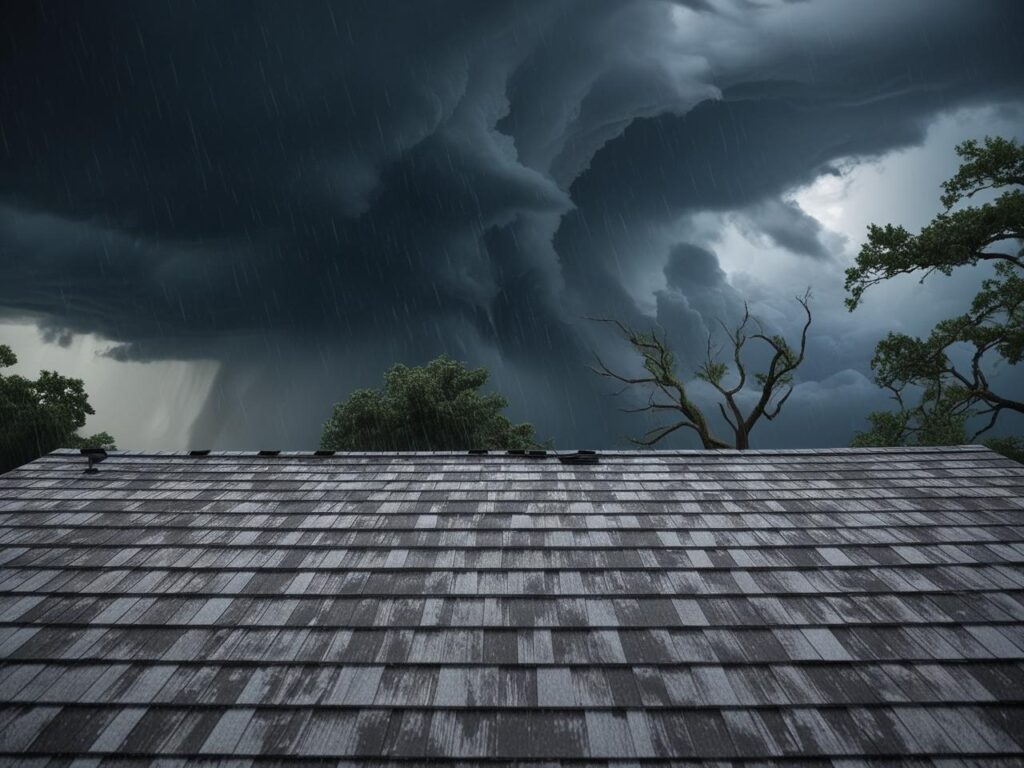
7 Clear Signs Your Roof Needs Repair Before the Next Storm in Cullman, AL Picture this: It’s a quiet afternoon in Cullman, AL. The sky darkens quickly, and the wind begins to howl. A sudden storm rolls in, and before you know it, water begins dripping from your ceiling. The cause? A roof that wasn’t properly maintained, leading to leaks and serious water damage inside your home. As a homeowner, you don’t want to face such a scenario. Unfortunately, many homeowners only realize their roof is in disrepair after it’s too late, resulting in costly repairs or even full roof replacements. The good news is that by knowing the warning signs of a deteriorating roof, you can avoid these problems entirely. Sweet Home Roofing, a trusted local roofing Company in Cullman, specializes in keeping your roof in excellent shape. With years of experience in the area, we’ve helped countless homeowners ensure their roofs can withstand even the toughest storms. In this blog, we’ll walk you through seven clear signs that your roof needs repair before the next big storm strikes. By the end of this Blog, you’ll understand how to identify early warning signs of roof damage, why it’s important to take action now, and how Sweet Home Roofing can help with proactive solutions, including our free virtual roof inspections. Understanding the Fundamentals of Roof Health The Importance of Your Roof’s Role Your roof does more than just keep the rain off your head—it’s a crucial part of your home’s structure, protecting everything inside from the harsh weather in Cullman, AL. From torrential rains and high winds to intense heat and humidity, your roof shields your home from the elements. Beyond weather protection, a well-maintained roof helps insulate your home, keeping temperatures steady in both summer and winter. Without proper insulation, you could face higher energy bills, and your home’s structural integrity could be compromised. Types of Roofing Materials Common in Cullman, AL In Cullman, the most common roofing materials include asphalt shingles, tiles, and metal roofs. Each has its strengths and weaknesses, depending on local weather patterns. Asphalt shingles, for example, are a popular choice due to their affordability and ease of installation. However, they’re susceptible to curling or cracking in extreme heat, which can compromise their ability to protect your home. Metal roofs are durable and long-lasting but can be expensive to install. They are highly resistant to hail, a frequent problem in Cullman. Tile roofs, while aesthetically appealing, can crack under the impact of heavy storms or hail. Each of these materials requires its own maintenance approach, so it’s essential to understand what works best for your home and ensure regular inspections to extend their lifespan. The Role of Inspections in Roof Maintenance Routine inspections are the key to catching roof problems early, preventing minor issues from developing into major repairs. Sweet Home Roofing offers a free virtual inspection service to homeowners in Cullman, allowing you to assess your roof’s condition without stepping foot outside. Regular inspections give you peace of mind and can save you thousands in repair costs by addressing small issues before they escalate. 7 Warning Signs Your Roof Needs Repair Now let’s dive into the seven signs that indicate your roof might be in trouble and needs professional attention. Don’t wait until the next storm causes significant damage—watch for these early red flags. Missing, Cracked, or Curling Shingles Storms and high winds are common in Cullman, and they can cause shingles to become dislodged, cracked, or curled. This damage exposes your roof to water infiltration, increasing the risk of leaks. If you spot missing or damaged shingles, it’s essential to act quickly, as prolonged exposure can lead to rot, mold, and other costly structural issues. Granules Accumulating in Gutters Over time, shingles can lose their protective granules, which help to shield the roof from UV rays and water damage. If you notice an accumulation of granules in your gutters, it’s a sign that your roof is nearing the end of its useful life. Granule loss reduces the effectiveness of your shingles, making them more vulnerable to heat damage and moisture penetration. Stains on Ceilings or Interior Walls Water stains on your ceilings or walls are often the first sign that a roof leak is occurring. Even a small leak can lead to major water damage, and what may seem like a minor stain could soon evolve into a significant problem. Don’t ignore stains—investigate the source of the moisture to prevent mold growth and structural deterioration. Leaks in the Attic After a heavy rainstorm, check your attic for signs of leaks. A leaking roof often shows its first signs in the attic, where water can seep through the roof deck or insulation. If you find water in your attic, it’s important to call a professional roofer immediately, as attic leaks typically worsen during storms. A Sagging Roof Deck If you notice that your roof is sagging or appears uneven, this is a major red flag. A sagging roof is often caused by prolonged water damage or leaks that have weakened the roof’s structural integrity. Ignoring this issue can lead to catastrophic damage, including the potential collapse of your roof. Moss or Algae Growth Cullman’s humid climate can encourage moss or algae to grow on your roof, particularly in shaded areas. While moss may seem harmless, it can retain moisture, accelerating roof degradation. Over time, this moisture can rot the wood decking beneath your shingles, leading to leaks and other problems. Damaged Flashing Around Chimneys and Vents Flashing is the material used to seal joints around chimneys, vents, and skylights to prevent water infiltration. High winds or storms can damage flashing, leaving gaps that allow rainwater to seep into your home. Check for rust, cracks, or gaps around your flashing, as these are common signs of damage. The Impact of Cullman, AL Weather on Your Roof In Cullman, we experience all sorts of weather that can accelerate wear and tear on your roof. Hailstorms,
What is the life expectancy of a roof in Alabama?
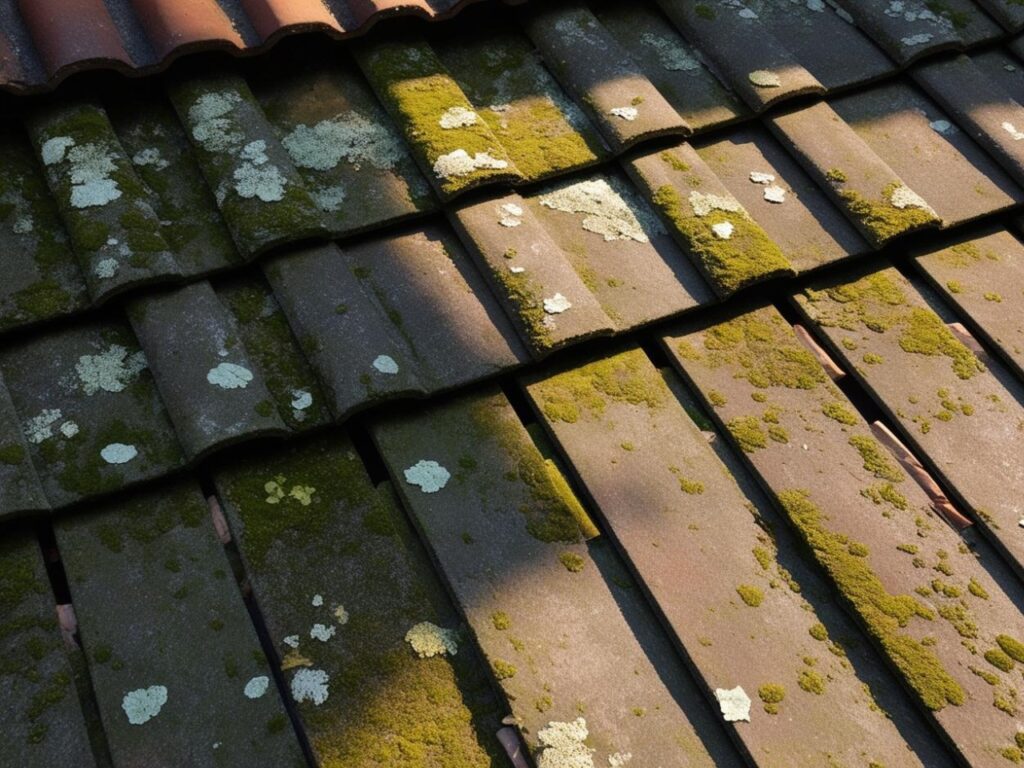
What Is the Life Expectancy of a Roof in Alabama? A roof is more than just a protective covering over your home; it’s your first line of defense against the elements. For Alabama homeowners, understanding the lifespan of a roof isn’t just helpful, it’s essential. Why? Alabama’s unique combination of extreme heat, high humidity, and frequent storms can take a serious toll on even the sturdiest roofing materials. If you’re a homeowner in Alabama, knowing how long different types of roofs last, how local weather impacts their durability, and the steps you can take to extend their lifespan can save you time, stress, and most importantly, money. This guide will explore everything from common roofing materials and their lifespans to maintenance tips and weatherproofing solutions, all while showcasing how Sweet Home Roofing can be your trusted partner in roofing care. Why Roof Lifespan Varies in Alabama Alabama’s climate is a huge factor in determining how long your roof will last. The state experiences scorching summer heat, high humidity levels, and unpredictable storms, including hail and tornadoes. This combination is no friend to your roof. Here’s why: Intense Heat: High temperatures cause roofing materials to expand and contract. Over time, this can lead to cracking or warping, particularly in asphalt shingles. Humidity: Excessive moisture fosters mold, mildew, and algae growth, which not only discolors roofing materials but may also weaken their structural integrity. Storms: Alabama’s frequent thunderstorms and tornadoes can loosen shingles, cause leaks, and even damage underlying structures, forcing roof repairs or replacements sooner than expected. Choosing durable materials and preparing for these environmental factors can significantly impact the longevity of your roof. Common Roofing Materials and Their Lifespans Not all roofs are created equal, especially when it comes to surviving Alabama’s climate. Here’s a breakdown of the most popular roofing materials, their lifespans, and their pros and cons: 1. Asphalt Shingles (15-25 Years) Pros: Affordable, easy to install, available in a variety of styles and colors. Cons: More susceptible to heat damage and moisture-related issues like mold and algae growth. Best For: Budget-conscious homeowners or those looking for quick roof replacements. 2. Metal Roofs (40-70 Years) Pros: Extremely durable, reflective properties reduce heat absorption, resistant to weather damage. Cons: Higher upfront cost, can be noisier during heavy rain. Best For: Homeowners seeking longevity and energy efficiency. 3. Tile Roofs (50+ Years) Pros: Fire-resistant, extremely durable, and long-lasting. Cons: Heavy, requiring reinforced roof structures; expensive. Best For: Mediterranean-style homes or homeowners investing in high durability. 4. Wood Shingles (25-30 Years) Pros: Aesthetic appeal, naturally insulating. Cons: Requires frequent maintenance, prone to rot in humid climates like Alabama. Best For: Aesthetic-conscious homeowners willing to commit to ongoing upkeep. For Alabama’s weather, metal roofing often emerges as a top choice for its durability and ability to withstand storms and heat. However, the right option ultimately depends on your budget and specific needs. The Impact of Alabama Weather on Roof Durability Alabama’s harsh weather conditions are a major contributor to accelerated roof aging. Here are the most significant ways local weather impacts roofing: Heat Damage: Continuous exposure to the sun can dry out and weaken roofing materials, leading to cracks and premature failure. Moisture Issues: High humidity combined with heavy rain creates the perfect environment for mold and algae to flourish, which can eventually weaken your roof’s structure. Storm Damage: Tornadoes and storms often bring strong winds and hail, which can tear shingles off the roof or dent metal panels. For example, Sweet Home Roofing recently helped an Alabama homeowner whose asphalt shingles were severely damaged by hail. By replacing the roof with metal panels, we ensured their home could better handle future storms. The Role of Regular Maintenance and Inspections Regular roof maintenance can dramatically extend its lifespan, even in Alabama’s challenging climate. Here’s a simple checklist for homeowners: Inspect for loose, cracked, or missing shingles. Check the attic for water stains or leaks. Clear gutters and drainage systems to prevent water buildup. Trim overhanging tree branches to reduce debris and pest issues. Look for signs of mold or algae growth. Sweet Home Roofing offers annual inspection services to identify potential problems early, saving you from costly repairs down the road. Recognizing Signs of Roof Damage and When to Replace How do you know your roof is nearing the end of its lifespan? Here are some warning signs: Shingles curling, cracking, or missing. Leaks or water damage inside your home. Sagging areas or a spongy feel when walking on the roof. Visible moss or mold growth that can’t be cleaned off. If your roof shows multiple signs of damage, it might be time to consider replacing it. Sweet Home Roofing provides free consultations to help you decide whether a repair or a total replacement is right for you. How Sweet Home Roofing Can Help Protect Your Roof Sweet Home Roofing offers services designed to maximize the lifespan of your roof and protect your investment: Expert Installation: Proper installation ensures your roof withstands Alabama’s harsh conditions. Comprehensive Repairs: From storm damage to routine fixes, our team has you covered. Maintenance Programs: Regular inspections and maintenance to increase your roof’s durability. One of our satisfied customers, Sarah from Birmingham, said, “Sweet Home Roofing made the entire replacement process smooth and stress-free. I couldn’t be happier with my new metal roof!” Cost Factors for Roof Replacement in Alabama Replacing a roof is a significant investment, but several factors influence the cost: Materials: Asphalt shingles are the most affordable; metal and tile are pricier but last longer. Labor Costs: Alabama’s average labor rates depend on location, roof size, and accessibility. Upgrades: Adding weatherproof coatings or insulation can increase upfront costs but provide long-term savings. Sweet Home Roofing offers transparent pricing and flexible payment options, ensuring you get quality work within your budget. Legal and Insurance Considerations for Roofing in Alabama Navigating roofing regulations and insurance claims can be complex. Alabama-specific regulations may require: Permits for Replacements Annual Inspections for older roofs. Homeowners insurance often covers
Metal vs. Shingle Roofs: Best Choice for Huntsville Homes

Metal Roofs vs. Shingle Roofs: A Homeowner’s Guide Your roof is one of the most important features of your home, shaping its durability, efficiency, and even its curb appeal. In Huntsville, homeowners often face a key decision: metal or shingle roofing? The right choice depends on factors like longevity, cost, resilience, and style. This guide will explore how these two popular roofing options compare, giving you the insights you need to invest in the right roof for your Huntsville home. Whether you’re aiming for long-term durability, cost savings, or minimizing environmental impact, we’ve got you covered. Lifespan of Metal Roofs vs. Shingle Roofs One of the primary factors Huntsville homeowners consider when choosing a roof is how long it will last. Metal Roofs Metal roofs boast an impressive lifespan of 40 to 70+ years, depending on the material (e.g., steel, aluminum, or copper). Designed to withstand Huntsville’s humid subtropical climate, they resist moisture damage, mold growth, and corrosion. Metal’s toughness also helps it endure the area’s heavy rains and occasional storms without sustaining significant wear. Shingle Roofs Shingle roofs typically last for 20 to 30 years, though this depends on the quality of the shingles and installation. Huntsville’s intense summer heat can cause shingles to crack and curl over time, while excess moisture may lead to moss or algae growth, reducing their lifespan. Regular maintenance is crucial to get the most out of a shingle roof. Key Takeaway If longevity is a priority, a metal roof outweighs shingles, especially in Huntsville’s climate where durability against heat and moisture is essential. Cost Comparison Cost is another major deciding factor for Huntsville homeowners. Upfront Costs Metal roofs come with higher initial costs, ranging from $9,000 to $15,000 or more for an average home. The price depends on the type of metal and complexity of the installation. Shingle roofs, by contrast, are significantly more budget-friendly, with installation costs typically between $5,000 and $8,000 for most homes. This affordability makes them an attractive option for homeowners with tight budgets. Long-Term Costs While metal roofs are more expensive upfront, their longevity and minimal maintenance can save you money in the long run. With a lifespan double that of shingles, metal roofs often eliminate the need for a costly replacement within your ownership period. On the other hand, shingle roofs require frequent roof repairs and replacements, which can add up over time. Key Takeaway Shingle roofs are ideal for Huntsville homeowners on a budget, but metal roofs provide a stronger long-term return on investment due to their durability. Durability Against Huntsville’s Weather Huntsville’s weather can be unforgiving, ranging from heavy rains and storms to sweltering summers. Which roofing material fares better under these conditions? Metal Roofs Metal roofs are highly durable, capable of withstanding winds up to 140 mph, a critical feature during Huntsville’s storm season. Their resistance to cracking, warping, and corrosion makes them a low-maintenance option. Plus, their slick surface can shed rainwater efficiently, reducing the risk of leaks. Shingle Roofs While shingles can handle moderate weather conditions, they tend to be more vulnerable during heavy storms. Hail can cause damage, and strong winds may lift or tear shingles. Additionally, the hot summer sun can weaken shingles over time, leading to cracks or fading. Key Takeaway If you’re looking for a roof that can handle Huntsville’s unpredictable weather with minimal issues, metal roofing is the more durable choice. Energy Efficiency for Huntsville Homes Energy efficiency isn’t just about reducing utility bills—it’s also about creating a comfortable living environment. Metal Roofs Metal roofs excel in energy efficiency, thanks to their reflective properties. By reflecting heat instead of absorbing it, metal roofs help keep your home cooler during Huntsville’s scorching summers. The result? Lower cooling costs and a more comfortable home. Shingle Roofs Shingle roofs, on the other hand, absorb heat, which can raise indoor temperatures during hot weather. While modern shingles with reflective coatings are available, they generally don’t offer the same level of energy efficiency as metal roofs. Key Takeaway For energy-conscious Huntsville homeowners, metal roofs offer significant advantages when it comes to reflecting heat and reducing cooling costs. Aesthetic Appeal Your roof plays a big role in enhancing your home’s curb appeal. Metal Roofs Metal roofs are incredibly versatile, available in a range of colors and finishes to match both traditional and modern architectural styles. You can customize your roof with matte finishes, textured panels, or even coatings that mimic the look of traditional shingles. Shingle Roofs Shingle roofs are a classic choice and offer a wide variety of colors and textures to suit different home designs. They’re a great match for Huntsville neighborhoods where traditional styles are prevalent. Key Takeaway Both metal and shingle roofs have aesthetic advantages—choose based on your personal style and your home’s architectural design. Maintenance Needs All roofs require some level of maintenance, but the effort varies significantly between metal and shingle roofs. Metal Roofs Metal roofs are low maintenance, requiring only occasional cleaning and inspections. Their durability means you’ll rarely have to worry about repairs. Shingle Roofs Shingle roofs need more regular upkeep, including replacing damaged shingles, removing moss or algae, and ensuring proper sealing after storms. This maintenance can be manageable but adds to long-term costs. Key Takeaway If minimal maintenance is a priority, a metal roof’s durability makes it a hassle-free option. Environmental Impact With environmental consciousness on the rise, many Huntsville homeowners are prioritizing sustainable roofing materials. Metal Roofs Metal roofs are eco-friendly, as they are often made from 30–60% recycled material and are 100% recyclable at the end of their lifespan. They also require fewer replacements, reducing overall waste. Shingle Roofs Shingle roofs are less sustainable. They typically contain petroleum-based materials, which are less environmentally friendly. Additionally, shingles are harder to recycle and often end up in landfills. Key Takeaway Environmentally conscious Huntsville homeowners will benefit from the sustainability of metal roofing. Resale Value Your choice of roofing material can impact your home’s marketability and value. Metal Roofs Metal roofs are
